Compare Local Contractors for Bulk Soil Delivery Services
Compare local contractors for bulk soil delivery to define scope, verify experience, and set clear expectations, ensuring a smooth project tailored to your needs.
Bulk soil delivery services typically involve the transportation and distribution of large quantities of soil to residential, commercial, or construction sites. These projects often require a clear understanding of the scope, including the type of soil needed-such as topsoil, fill dirt, or specialty mixes-and the volume required to meet the specific needs of the property. Contractors may also handle tasks like coordinating delivery logistics, ensuring proper placement, and managing site access to facilitate smooth and efficient soil distribution. Defining the scope of work upfront helps property owners communicate their expectations clearly and ensures that the contractor’s services align with project requirements.
Establishing a well-defined scope is essential for effective project planning and avoiding misunderstandings. Property owners should specify the type of soil, the approximate quantity, and any site-specific considerations such as access restrictions or placement preferences. Clearly outlining these details in writing can help prevent scope creep and ensure that all parties share a common understanding of the work involved. When comparing local contractors, it’s beneficial to inquire about their experience with similar projects, their approach to handling large deliveries, and their ability to adapt to unique site conditions. This information can assist property owners in selecting a service provider capable of meeting their specific needs.
Comparing local contractors for bulk soil delivery involves evaluating their experience, reputation, and the scope of services offered. Property owners can seek recommendations or reviews to gauge the quality of work performed in the area. It’s important to verify that contractors are familiar with local regulations and have the necessary equipment to handle deliveries efficiently. When discussing potential projects, property owners should ask how contractors plan to coordinate delivery, manage access, and address any potential challenges. By gathering detailed information and clarifying expectations in writing, property owners can make informed decisions and connect with service providers best suited to deliver the soil they need for their project.
Compare local contractors by outlining your project priorities, verifying experience, and setting clear expectations in writing.
- Compare Contractor Experience - Review the backgrounds and project history of local contractors to ensure they have relevant experience with bulk soil delivery.
- Define Project Scope Clearly - Specify the amount, type, and delivery requirements of soil to set clear expectations with service providers.
- Verify Service Provider Credentials - Check references and verify the reputation of local contractors to ensure reliability and quality.
- Document Agreements in Writing - Establish detailed written agreements outlining scope, responsibilities, and expectations to prevent misunderstandings.

Clearly describe your project scope before comparing local contractors to ensure accurate service matching and expectations.
- Verify experience and expertise in bulk soil delivery to ensure reliable service. - Check that the service providers clearly define the scope of work and delivery requirements in writing.
- Compare the scope of services offered by different local contractors to find comprehensive solutions. - Confirm that contractors specify the type and amount of soil included in the delivery.
- Assess the reputation and reviews of local service providers to gauge quality and dependability. - Ensure that contractors have a track record of successful bulk soil deliveries in the area.
- Clarify payment terms and responsibilities to avoid misunderstandings during the project. - Make sure all expectations and obligations are documented and agreed upon beforehand.
- Determine the contractor’s process for handling delivery issues or discrepancies before work begins. - Confirm that service providers have procedures for addressing problems that may arise during delivery.
- Ensure that the scope and responsibilities are detailed in a written agreement to prevent scope creep. - Review all contractual documents to confirm clarity and completeness of the delivery plan.
Compare local contractors to clarify scope, verify experience, and set clear expectations in writing.
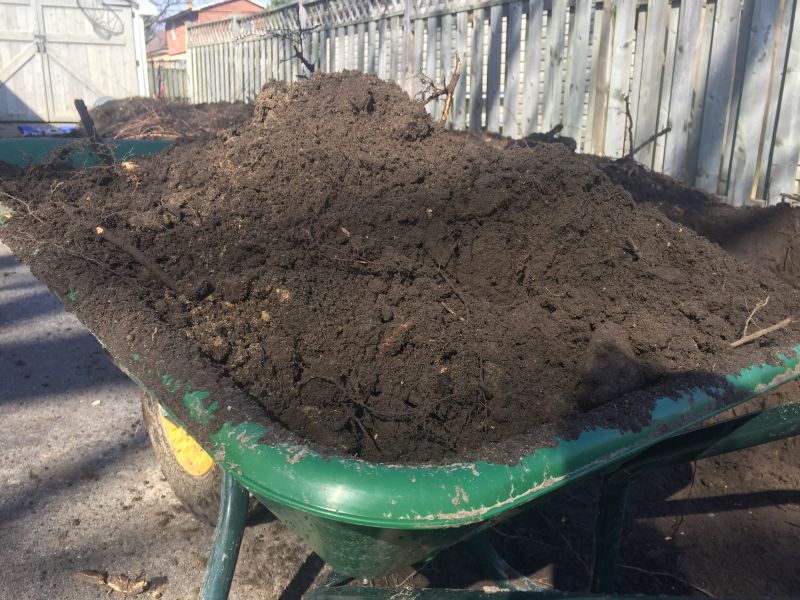
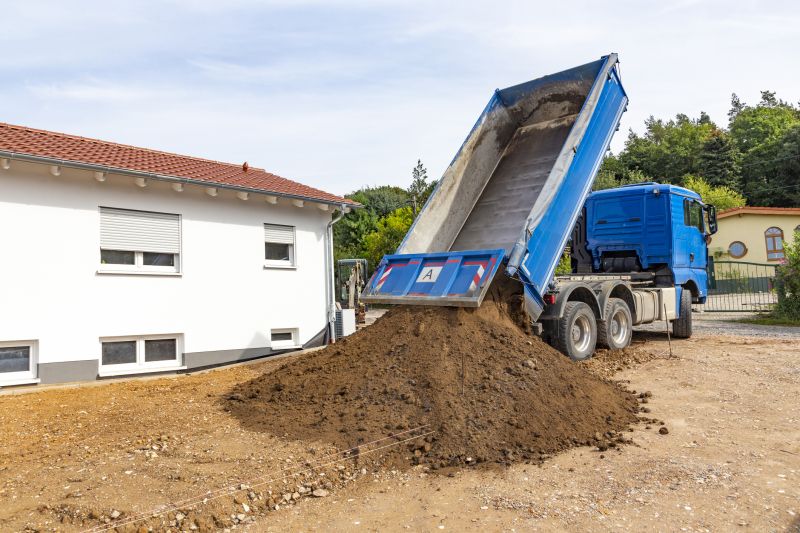

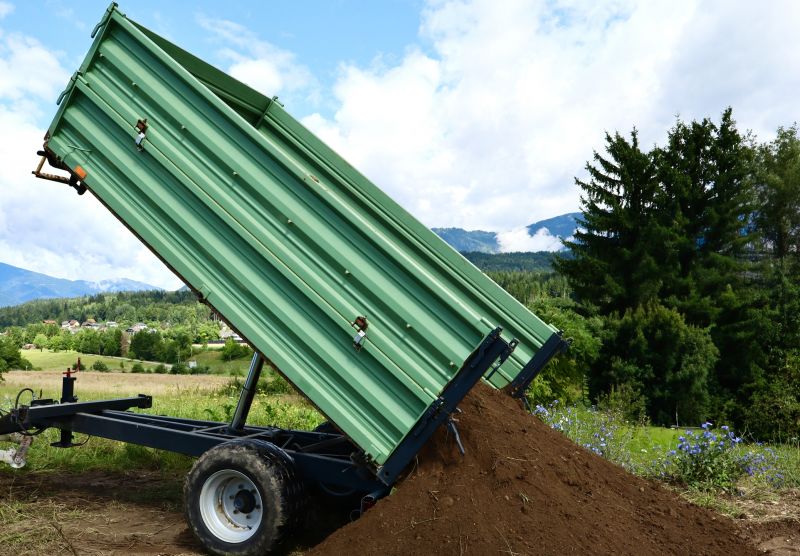
Use consistent comparison criteria across local contractors to accurately define scope, verify experience, and set clear expectations.
- Scope Definition - Clearly outline the amount, type, and quality of soil required for the delivery project.
- Experience Verification - Confirm that local contractors have relevant experience handling bulk soil deliveries for similar projects.
- Material Specifications - Specify the soil specifications, including any additives or treatments needed for the intended use.
- Documentation Expectations - Ensure all scope details, specifications, and agreements are documented in writing before work begins.
- Service Provider Comparison - Evaluate multiple local contractors based on scope clarity, experience, and documentation practices to select the best fit.
When comparing contractors for bulk soil delivery, it’s important to assess their experience with similar projects. Homeowners should look for service providers who have a proven track record of handling soil delivery for projects comparable in size and scope. Asking about past work can help determine if a contractor understands the specific requirements of different types of soil and site conditions. An experienced contractor can often provide insights into best practices for delivery and handling, ensuring that the soil arrives in good condition and meets the needs of the project.
A clear, written scope of work is essential when evaluating potential service providers. This document should outline exactly what is included in the soil delivery, such as the amount of soil, delivery method, and any site-specific considerations. Having a detailed scope helps prevent misunderstandings and sets clear expectations from the outset. Homeowners should ensure that the scope is comprehensive and that any assumptions or special requirements are documented in writing to facilitate smooth communication and coordination.
Verification basics involve confirming that a contractor has the necessary knowledge and resources to complete the job effectively. This can include reviewing their familiarity with local regulations, understanding of site access, and ability to handle different soil types. While formal licensing or certification may not be emphasized, it’s beneficial to verify the contractor’s reputation through references or past project descriptions. Clear communication about their experience and capabilities can provide confidence that the service provider is equipped to deliver the soil efficiently and safely.
Evaluating options without focusing on prices involves comparing the quality of services, scope clarity, and the professionalism of each contractor. Homeowners should consider how well each service provider understands the project needs, the transparency of their scope, and their approach to handling potential challenges. Asking questions about their process, experience, and how they communicate can reveal which contractors are best prepared to meet the project’s requirements. This approach helps ensure selection based on experience, reliability, and clarity, leading to a more successful soil delivery process.
Request written scope details to ensure clear expectations and consistent project understanding with local contractors.
- **Scope of Services** - What specific types of soil delivery services do local contractors offer and what is included?
- **Experience and Expertise** - How long have service providers been handling bulk soil delivery and what projects have they completed?
- **Material Quality and Specifications** - How do contractors ensure the soil meets the required quality and quantity for the project?
- **Service Scope Clarification** - What are the limits of each contractor’s scope, such as delivery method, unloading, and site preparation?
- **Written Agreements** - How do service providers define expectations and scope details in written contracts or estimates?
What should I consider when choosing a contractor for bulk soil delivery? It's important to compare local contractors based on experience, reputation, and the scope of services they offer. Clearly defining your project needs helps ensure the contractor can meet your expectations.
How can I verify a contractor's experience with soil delivery projects? You can review their previous work, ask for references, or seek recommendations from others who have used their services to assess their expertise and reliability.
What details should be included in a written agreement with a soil delivery contractor? The agreement should specify the scope of work, delivery quantities, scheduling expectations, and any specific requirements to ensure clarity and prevent misunderstandings.
How do I compare different contractors for bulk soil delivery? Consider factors such as service offerings, reputation, experience, and the clarity of their communication. Gathering multiple quotes and reviewing their scope of work can aid in making an informed choice.
What questions should I ask a contractor before hiring for soil delivery? Ask about their experience with similar projects, the types of soil they deliver, and how they handle special delivery requirements or site conditions.
Why is it important to define the scope of work when hiring a soil delivery contractor? Clearly outlining the scope helps set expectations, ensures all project requirements are understood, and minimizes potential disputes during the delivery process.
This page has provided an overview of how to find and evaluate contractors for bulk soil delivery. Visitors learned the importance of clearly defining the scope of work, verifying the experience of potential service providers, and setting expectations in writing to ensure a smooth process. Comparing local contractors can help identify options that best suit project needs and preferences.
To move forward, consider using the quote form to compare local contractors and connect with service providers who can handle bulk soil delivery. Gathering multiple responses allows for a clearer understanding of available options and helps in making informed decisions tailored to specific project requirements.